
Adult Autism Assessment for Women & AFAB Adults

Table of Contents:
Autism is often missed in women and people assigned female at birth (AFAB), especially when someone is high-masking, socially capable, or has spent years learning how to compensate for autistic traits.
For women who begin questioning autism in adulthood, finding an autism assessment for women that accounts for masking and less stereotypical presentations can be especially important.
You may have a career, relationships, children, or a long history of being described as capable and successful. You may make eye contact easily, communicate well, and understand social expectations. None of those things rule out autism.
At NeuroSpark Health, we specialize in assessing adults whose autism may not fit traditional stereotypes. Our evaluations look beyond how you appear during an appointment to understand the patterns, experiences, and effort underneath.
Why Autism Can Be Missed in Women and AFAB Adults
For decades, our understanding of autism was shaped largely by research and diagnostic models based on boys and men. That left many autistic women and AFAB people unidentified, particularly those whose traits didn’t match the stereotypes clinicians were taught to recognize. Autism in women can be especially easy to overlook when someone has learned to mask or compensate for their differences.
Some people learn early to observe others closely, rehearse conversations, imitate social behavior, suppress stimming, or develop rules for navigating situations that seem to come more naturally to other people.
Those strategies can make autistic traits less visible. They can also be exhausting.
By adulthood, someone may have built a successful career, developed close relationships, raised children, or become very skilled at navigating social situations. An autism assessment needs to consider not only what someone can do, but also how they do it and how much effort it requires.
What Should an Autism Assessment for Women Consider?
An adult autism assessment shouldn’t come down to whether you “look autistic” during an appointment.
At NeuroSpark Health, we look at patterns across your life, including your social and communication experiences, sensory differences, routines, and need for predictability, focused interests, developmental history, and the strategies you’ve developed to navigate expectations.
We also consider the effort that goes into what other people see.
Being able to make eye contact doesn’t tell us whether doing so requires conscious effort. Having friends doesn’t tell us how difficult relationships may be to navigate. Being successful at work doesn’t tell us what it takes to maintain that performance.
Those distinctions can be especially important when evaluating high-masking and late-identified adults.
What If I Mask During My Autism Assessment?
You don’t need to figure out how to stop masking before an autism assessment.
Masking can become so automatic that you may not even recognize when you’re doing it. For some adults, high-masking autism means you may make eye contact, engage easily in conversation, use humor, or automatically adjust your behavior based on the person you’re talking to.
None of that prevents an evaluator who understands autistic masking from accurately assessing you.
At NeuroSpark Health, we aren’t evaluating autism based solely on how you present in a single conversation. We look at your experiences over time, the strategies you use to navigate social situations, what comes naturally versus what you’ve learned, and the effort involved.
What If I’ve Already Been Diagnosed With ADHD, Anxiety, Depression, or OCD?
Many women and AFAB adults come to an autism evaluation with previous diagnoses. Autism in women is often misdiagnosed or overlooked, particularly when traits are attributed to anxiety, ADHD, depression, OCD, or other conditions.
For many people searching for information about an autism diagnosis for women, the process involves revisiting explanations they’ve received throughout their lives and considering whether autism, another diagnosis, or a combination of diagnoses better accounts for their experiences.
Sometimes those diagnoses are accurate, but they don’t explain the whole picture. Autism can also occur alongside ADHD, anxiety, depression, OCD, and other conditions, and some experiences can overlap.
A good comprehensive autism evaluation for women and AFAB adults shouldn’t begin with the assumption that autism explains everything. The goal is to understand the overall pattern and determine which diagnosis, or combination of diagnoses, best accounts for your experiences.
If you’re wondering about both autism and ADHD, NeuroSpark Health also offers combined AuDHD assessments.
Do I Need a Parent Interview or Childhood Records?
No. NeuroSpark Health does not require a parent or caregiver interview for an adult autism assessment for women or AFAB adults, and you do not need childhood records to be evaluated.
Developmental history is an important part of an autism evaluation, and an interview with a caregiver can provide helpful information, but many adults don’t have access to detailed information from childhood for various reasons.
Your evaluator will work with the information available to understand your developmental history and patterns throughout your life.
What Happens During an Adult Autism Assessment at NeuroSpark Health?
NeuroSpark Health provides virtual adult autism assessment for women and AFAB adults throughout the United States.
The process begins with a free 15-minute consultation. If you decide to move forward, you’ll complete intake forms and questionnaires about your experiences and history before meeting with your evaluator for the clinical interview.
The clinical interview is an in-depth conversation about your life experiences. Our neurodivergent clinicians use the MIGDAS-2, a sensory-based, conversational autism assessment that allows us to explore autistic experiences in more depth than a checklist alone.
After the assessment, you’ll receive your diagnostic results and recommendations for next steps.
Who We Commonly Assess
NeuroSpark Health works with adults from a wide range of backgrounds, including:
- Women and AFAB adults who began questioning autism later in life
- High-masking adults
- High-achieving professionals and students
- People who appear socially capable but find social interaction exhausting
- Adults who have previously been diagnosed with ADHD, anxiety, depression, OCD, or other conditions
- People experiencing burnout after years of compensating
- LGBTQIA+ and gender-diverse adults
- Adults whose families don’t recognize or support their exploration of autism
- People who don’t have childhood records or a parent available to participate
You don’t need to identify with every common description of autism to pursue an assessment.
Why NeuroSpark Health?
NeuroSpark Health was created by neurodivergent clinicians who saw how difficult it could be for adults to find providers who understood presentations that didn’t match traditional stereotypes.
Our clinicians specialize in adult neurodivergence, including late-identified and high-masking autism presentations. Our approach to autism assessment for AFAB adults recognizes that autistic traits may not always be immediately visible during an appointment.
We also don’t approach an assessment with the goal of confirming an autism diagnosis. Our job is to understand your experiences carefully and determine whether the diagnostic criteria for autism are met. If another explanation fits better, we’ll talk with you about that, too.
Ready to Schedule an Autism Assessment?
If you’re considering an adult autism assessment, you can start with a free 15-minute consultation to ask questions about the process and determine whether NeuroSpark Health is a good fit.
Frequently Asked Questions About Autism Assessment for Women
Can women be diagnosed with autism as adults?
Yes. Autism is a lifelong neurodevelopmental condition, but it isn’t always identified in childhood. Some autistic adults aren’t diagnosed until their 40s, 50s, or later, particularly when their traits were overlooked or masked earlier in life.
Do my parents need to participate in my autism assessment?
No. NeuroSpark Health does not require an interview with a parent or caregiver for an adult autism assessment, and the DSM-5-TR does not require a parent interview for a diagnosis to be assigned.
What if I don’t have childhood records?
Childhood records are not required. Your evaluator will ask about your developmental history, but we understand that adults may have limited information or records available from childhood.
What if I mask during the assessment?
You don’t need to deliberately stop masking. During an autism assessment for AFAB adults and women, our clinicians consider your experiences across your lifetime, including masking and other strategies you may have developed, rather than determining whether you’re autistic based only on how you appear during the appointment.
What does undiagnosed autism look like in females?
Undiagnosed autism in women and AFAB adults may look like masking, social exhaustion, sensory sensitivities, difficulty with unexpected change, or burnout. Some people appear socially skilled or high-achieving because they’ve spent years learning how to compensate for autistic traits.
Can I be autistic if I’m successful at work or good at socializing?
Yes. Professional success, friendships, relationships, eye contact, empathy, and strong conversational skills do not rule out autism. An autism assessment for women considers the broader pattern of your experiences, including the strategies and effort required to navigate everyday life.
What if I already have ADHD, anxiety, depression, or OCD?
Having another diagnosis doesn’t rule out autism. These conditions can occur alongside autism, and some experiences can overlap. A comprehensive autism assessment for women and AFAB adults considers both alternative and co-occurring explanations.
Can NeuroSpark Health assess me for both autism and ADHD at the same time?
Yes. NeuroSpark offers a combined ADHD and autism assessment for women (AuDHD testing) for adults who want to be evaluated for both autism and ADHD at the same time.
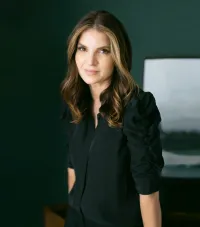
Julie Landry, PsyD, ABPP
One Spark Can Light a Fire
Diagnosis can be the catalyst for significant momentum. It can represent a turning point for your life, where you can move forward equipped with new knowledge about yourself and a new framework to guide you in your journey.
A formal assessment provides an incredible opportunity to gain knowledge about who you are and how you see the world.


